 how-to
How to Choose Durable Decorative Pillow Fabrics That Last
Last Updated: October 28, 2026
Quick Summary
To learn how to choose durable decorative pillow fabrics, start with the room and how often the pillow is handled, then pick a tight weave and mid-weight fabric. Cotton and cotton blends hold up best for daily use, while linen suits quieter rooms.
- Busy rooms need tighter weaves and easy-clean finishes; quiet rooms can carry softer textures.
- Cotton wins on durability, while linen wins on texture and drape.
- Aim for 20,000-30,000 double rubs for family living rooms and pet-friendly homes.
- Mid-weight fabric of 6-10 oz/yd² is the sweet spot for most decorative pillows.
- Choose a cover about 1 inch larger on each side than the insert to reduce seam stress.
Table of Contents
- Start With How the Pillow Will Be Used
- The Best Fabric for Pillow Covers by Room and Lifestyle
- Cotton vs Linen Pillow Covers: Which Holds Up Better
- Weave, Weight, and Abrasion Ratings That Predict Longevity
- How to Clean Decorative Pillow Covers Without Damaging Them
- Pet-Friendly Pillow Fabrics for Homes With Dogs and Cats
- Construction Details That Separate Long-Lasting Covers From Short-Lived Ones
- Build Your Mix-and-Match Set With Ivy & Linen
- Frequently Asked Questions
Start With How the Pillow Will Be Used
The fastest way to learn how to choose durable decorative pillow fabrics is to start with the room, not the swatch book.
At Ivy & Linen, we think about this in three questions:
- Who touches it? Kids, pets, and daily naps change everything.
- How often does it move? Covers that get fluffed and shifted wear faster.
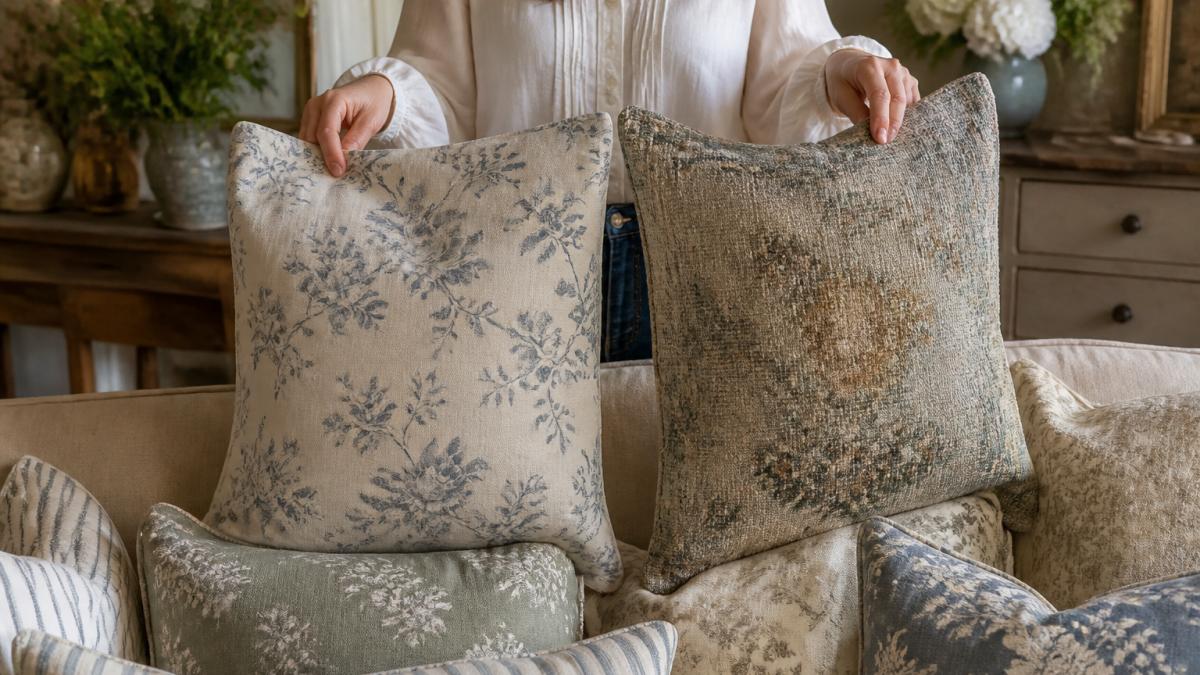
- What look are you after? A soft, printed linen-look finish suits a relaxed cottage room. A textured woven cover suits a moodier, more collected space.
Answer those first. The fabric choice gets much easier after that.
If budget and longevity are both on your mind, this guide to affordable decorative pillow covers walks through what to check before you commit to a fabric type.
The Best Fabric for Pillow Covers by Room and Lifestyle
The best fabric for pillow covers depends on traffic, not trends. Busy rooms need tighter weaves and easy-clean finishes. Quiet rooms can carry softer, more delicate textures.
Here is how we would match fabric to space:
High-traffic living rooms and family spaces
Choose tighter weaves with a smooth hand. Printed cotton and linen-look covers hold their shape and take spot cleaning well. Save the loose, nubby textures for shelves and beds.
Formal sitting rooms and guest bedrooms
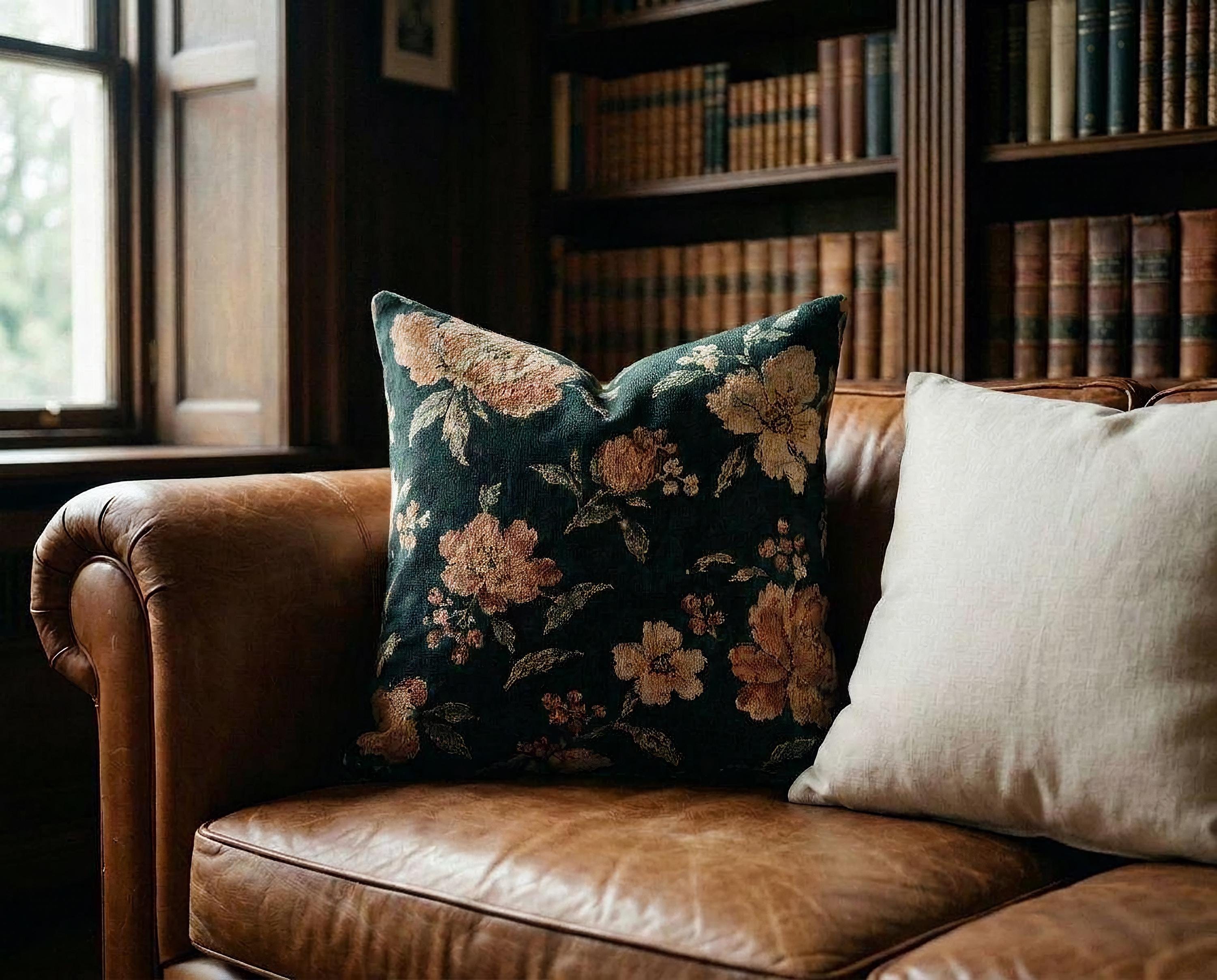
Softer textures and richer patterns can live here. A woven damask or a moody floral adds depth without much handling. These rooms simply see less wear.
For the wider picture on cottage style, our cottagecore decor style guide shows how fabric choices fit into a full room scheme.
Cotton vs Linen Pillow Covers: Which Holds Up Better
Cotton wins on durability, while linen wins on texture and drape. For everyday use, a cotton or cotton-blend cover usually holds up better against repeated handling and washing.
Linen softens with age and looks beautiful, but it creases and can wear at fold lines. That is a look, not a flaw, in a cottage room. Just know what you are signing up for.
| Fabric | Feel | Durability | Care | Best For |
|---|---|---|---|---|
| Cotton | Smooth, crisp | Strong, holds shape | Machine washable | Family sofas, daily use |
| Linen | Textured, softens over time | Good, creases at folds | Gentle wash, air dry | Guest rooms, layered looks |
| Cotton-linen blend | Soft with some texture | Balanced | Easy care | Most rooms |
| Velvet | Plush, rich | Wears at pressure points | Dry clean often | Formal spaces |
| Polyester blend | Smooth, uniform | Very hard-wearing | Wipes clean | Rental homes, pets |
Weave, Weight, and Abrasion Ratings That Predict Longevity
A tight weave and a mid-weight fabric predict a longer life better than any label claim. Loosely woven covers snag and pill. Very light fabrics stretch out of shape at the seams.
How to Read Abrasion Ratings (Double Rubs)
The double rub count is the result of a standardized abrasion test (often the Wyzenbeek or Martindale method) that rubs fabric back and forth under pressure until it shows wear. Higher numbers mean the fabric resists rubbing longer. While these ratings are most commonly published for upholstery fabrics, they are increasingly available for decorative pillow covers from quality makers. Use them as a comparative tool:
- Under 10,000 double rubs: Light-duty. Best for decorative pillows that are rarely handled, guest room accents, shelf displays.
- 10,000-20,000 double rubs: Medium-duty. Suitable for daily-use pillows on sofas and chairs in homes without pets or young children.
- 20,000-30,000 double rubs: Heavy-duty. A good target for family living rooms, pet-friendly homes, and pillows that get fluffed and moved daily.
Weave Density: The Show-Through Test
Hold the cover up to a bright window. The less light that passes through, the denser the weave, and the better it will resist snagging and seam stress. Tight weaves also hold their shape through washing. Loose, open weaves (like some gauzy linens) look airy but are more prone to pulling at the seams and developing holes where pillows are grabbed.
Fabric Weight: The Feel-for-Structure Rule
Fabric weight is usually expressed in ounces per square yard (oz/yd²). While exact numbers are rarely printed on pillow covers, you can judge by hand:
- Lightweight (under 6 oz/yd²): Drapes softly but sags at corners and may not survive frequent washing. Better for decorative shams than daily-use pillows.
- Mid-weight (6-10 oz/yd²): The sweet spot for most decorative pillows. Holds structure, washes well, and feels substantial without being stiff.
- Heavyweight (over 10 oz/yd²): Very durable but can feel stiff and may be harder to stuff evenly. Best for floor cushions or structured looks.
Construction Signals That Matter as Much as Fiber
A beautiful fiber in a poorly made cover will fail faster than a modest fiber in a well-made one. Check these before you buy:
Woven Indigo Damask Tapestry Pillow, Blue French Chateau Throw Cushion →
- Seam finish: Enclosed seams (serged or French seams) prevent fraying. Raw edges inside a cover are a red flag.
- Zipper quality: A hidden zipper with a wide opening reduces strain when inserting or removing the pillow. Metal zippers outlast plastic.
- Lining: A lined cover adds body and prevents print show-through, which can extend the life of the outer fabric.
The Federal Trade Commission's textile rules provide information about textile labeling. Read them before you buy.
How to Clean Decorative Pillow Covers Without Damaging Them
Always check the care label first, then spot clean before you wash. Most printed cotton and linen-look covers handle a cold, gentle cycle well. Heat is what ruins them. But different fabrics respond differently to stains, shrinkage, and fading, so the right cleaning approach depends on what your cover is made of.
Care Label Decoder
Care labels use standardized symbols and terms. Here is what they mean for pillow covers:
- Machine wash cold, gentle cycle: Safe for most cotton and cotton-blend covers. Use a mesh laundry bag to protect seams and prints.
- Hand wash only: Often found on linen and velvet. Agitate gently in cool water, then press out water without wringing.
- Dry clean only: Common for velvet and some structured wovens. Dry cleaning solvents can be harsh on natural fibers over time, so spot clean between cleanings.
Stain Response by Fabric Type
| Fabric | Common Stains | Best Response | Watch Out For |
|---|---|---|---|
| Cotton | Food, oil, ink | Blot with mild soap and cool water; machine wash if needed | Hot water can set stains |
| Linen | Water spots, oil | Blot immediately; gentle hand wash | Wringing causes creases and fiber damage |
| Velvet | Oil, dust | Dry clean or spot clean with a velvet brush | Water leaves watermarks |
| Polyester blend | Most stains | Wipe with damp cloth; machine wash cold | High heat can melt fibers |
Shrinkage and Colorfastness
Natural fibers like cotton and linen can shrink 3-5% after the first wash, especially in warm water. Pre-washed covers shrink less. To test colorfastness, wet a hidden corner with cool water and blot with a white cloth. If color transfers, wash separately or hand wash only.
Our Cleaning Routine
- Vacuum both sides with a brush attachment to remove dust and pet hair.
- Treat stains right away with a small amount of mild soap and cool water. Blot, do not rub.
- Wash cold on gentle, inside out, with like colors. Use a mesh bag.
- Air dry flat, away from direct sun. Reshape while damp.
- Press on low heat if needed, using a pressing cloth over prints.
When to Spot Clean vs. Full Wash
Spot clean for small marks and between seasonal washes. Full wash when the cover feels soiled, after illness, or at the change of seasons. Frequent full washing wears fabric faster, so rotate covers and spot clean whenever possible. Removable covers make this easy, keep one washable set for daily use and a second for display.
Pet-Friendly Pillow Fabrics for Homes With Dogs and Cats
Tight-weave cottons and polyester blends are the most pet-friendly pillow fabrics. Claws catch in loose weaves and loops. Smooth, dense surfaces let fur lift off with a lint roller.
Look for:
- Dense, flat weaves that resist snagging
- Removable covers you can wash often
- Darker or patterned prints that hide marks
Keep one washable set for the sofa and rotate it. That one habit stretches the life of every cover you own.
Construction Details That Separate Long-Lasting Covers From Short-Lived Ones
Hidden zippers, reinforced seams, and generous sizing do more for longevity than a fancy fiber name. A well-made cover fits snugly and keeps its shape through repeated washing.
Check these before you buy:
- Hidden zipper with a wide opening for easy insert changes
- Serged or enclosed seams that will not fray
- Consistent sizing so the cover does not strain at the corners
A common mistake is buying a cover too small for the insert. The seams take the strain, and the corners split first.
Build Your Mix-and-Match Set With Ivy & Linen
Start with one calm solid, add one pattern, then layer a second texture. That simple formula keeps a collected room from looking cluttered. Our guide to mixing pillow patterns covers the ratios in detail.
Our printed covers have a soft linen-look finish, and our woven pieces add real texture. A few options we love:
- The Antique Taupe set of three layers a bird and rose toile, a floral damask, and an oatmeal solid.
- The Earthy Block Print set brings terracotta and rust florals with a taupe ticking stripe.
- Our Woven Peony Tapestry Pillow adds a moody floral note.
Frequently Asked Questions
What is the most durable fabric for decorative pillows?
Tightly woven fabrics hold up best: cotton canvas, linen blends, and genuine woven tapestry. Look for a high double-rub count (the abrasion test result) and a tight weave you cannot see through when held to light. Performance fabrics made from solution-dyed polyester also resist fading and stains well. For everyday family rooms, a medium-weight cotton or linen blend balances durability with the soft, lived-in look most cottage-style homes want.
Is cotton or linen better for throw pillow covers?
It depends on the room. Cotton is softer, takes dye and print crisply, and washes easily, which suits casual family spaces. Linen is stronger when wet and resists pilling, but it wrinkles and can feel crisp at first. A cotton-linen blend gives you the print clarity of cotton with the texture and strength of linen. For high-traffic sofas, choose the tighter weave; for guest rooms where looks matter most, linen's natural slub adds cottage charm.
How can you tell if a pillow cover is durable before buying?
Check three things: fabric weight (heavier generally means sturdier), weave tightness (hold it to light, less show-through is better), and construction (look for serged or double-stitched seams and a hidden zipper). Ask about abrasion ratings if available. A removable cover with a quality zipper will outlast a sewn-shut pillow because you can wash it without stressing the seams. Printed covers should have crisp, even patterns that do not look faded at the folds.
What pillow fabric is best for homes with pets?
Pet-friendly pillow fabrics need tight weaves that resist snags and claws. Cotton canvas, performance polyester, and genuine woven tapestry are good choices because claws slide off rather than catch. Avoid loose weaves, bouclé, and delicate prints that show every hair. Removable covers you can machine wash are essential. Darker, moody patterns, like a charcoal floral or deep green peony, hide pet hair and the occasional smudge far better than pale solids.
Choosing durable decorative pillow fabrics comes down to matching weave and fiber to how your room actually lives. Ivy & Linen makes that easier with vintage-inspired covers built for mix-and-match styling, double-sided prints, and a cozy French cottage feel. Get started with Ivy & Linen and refresh your space with covers you will love for years.