 how-to
How to Transform a Rental Living Room With Pillows
Last Updated: October 30, 2026
Quick Summary
Transform a rental living room with pillows by stripping the sofa, measuring its seat depth and back height, and building a palette from colors already in the room. Mix one shared color across a large print, a small stripe, and a solid, then layer in texture and a loosely folded throw blanket.
- Strip the sofa and measure it first, about 10 minutes, to prevent wrong-size buys.
- A standard sofa looks best with an odd number of pillows: three or five.
- Front pillows should always be smaller than the ones behind them for a layered look.
- Spend covers first, inserts second, and accents last to refresh on a budget.
- Store off-season covers flat in a labeled bin, folded loosely so prints do not crease.
Table of Contents
- Why Pillows Do the Heavy Lifting in a Rental Living Room
- How to Make a Rental Living Room Cozy With Pillows, Step by Step
- How to Mix and Match Throw Pillows Without a Clashing Mess
- Pillow Combinations for a Sofa: Sizing and Arrangement Formulas
- Renter-Friendly Updates That Skip the Nails and Paint
- Budget Priorities, Care, and Seasonal Pillow Swaps
- Shop Ivy & Linen Covers That Fit Your Rental
- Frequently Asked Questions
Why Pillows Do the Heavy Lifting in a Rental Living Room
You can't paint the walls. You can't swap the light fixture.
Pillows are the fastest, kindest way to transform a rental living room with pillows because they ask nothing of your lease.
Renters often want a room that feels collected and warm, not staged. Pillow covers can deliver that in an afternoon.
Here's the honest truth most guides skip: a room feels unfinished not because it lacks furniture, but because it lacks layers.
How to Make a Rental Living Room Cozy With Pillows, Step by Step
This is where the work happens. Follow these steps in order, and you'll have a softer, warmer seating area before dinner.
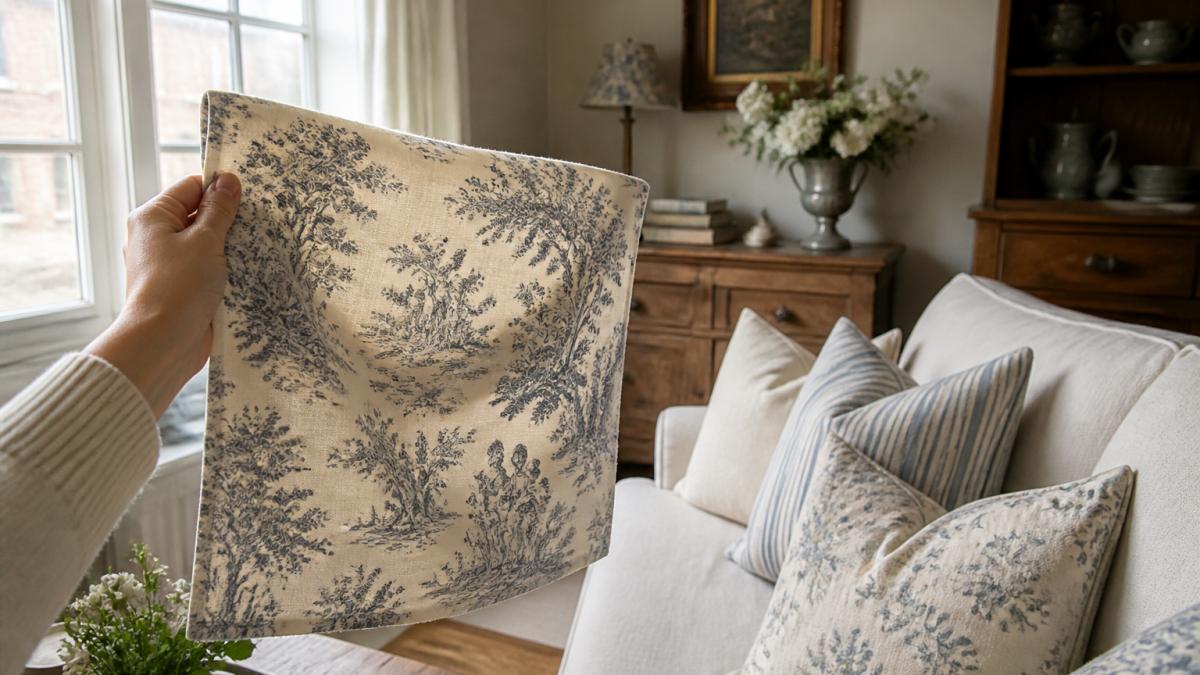
Step 1: Start With Your Sofa's Bare Bones
Strip the sofa first. Pull off every existing pillow and look at what you're working with: the color, the size, the light hitting it.
Most rental sofas are gray, beige, or a flat neutral. That's actually good news. A neutral base lets your pillow palette do the talking.
Measure your seat depth and back height before you buy anything. A deep sofa swallows small pillows.
Step 2: Pick a Color Palette That Suits the Room's Light
Light decides your palette more than your taste does. A dim room with one small window needs warm, light-colored pillows to lift it.
A simple rule for renters: pull one color from something already in the room. A rug, a curtain, a piece of art.
Then choose a moody, French cottage direction. Soft cream, warm taupe, slate blue, and terracotta all layer beautifully together.
Step 3: Build Warmth With Texture and Throw Blankets
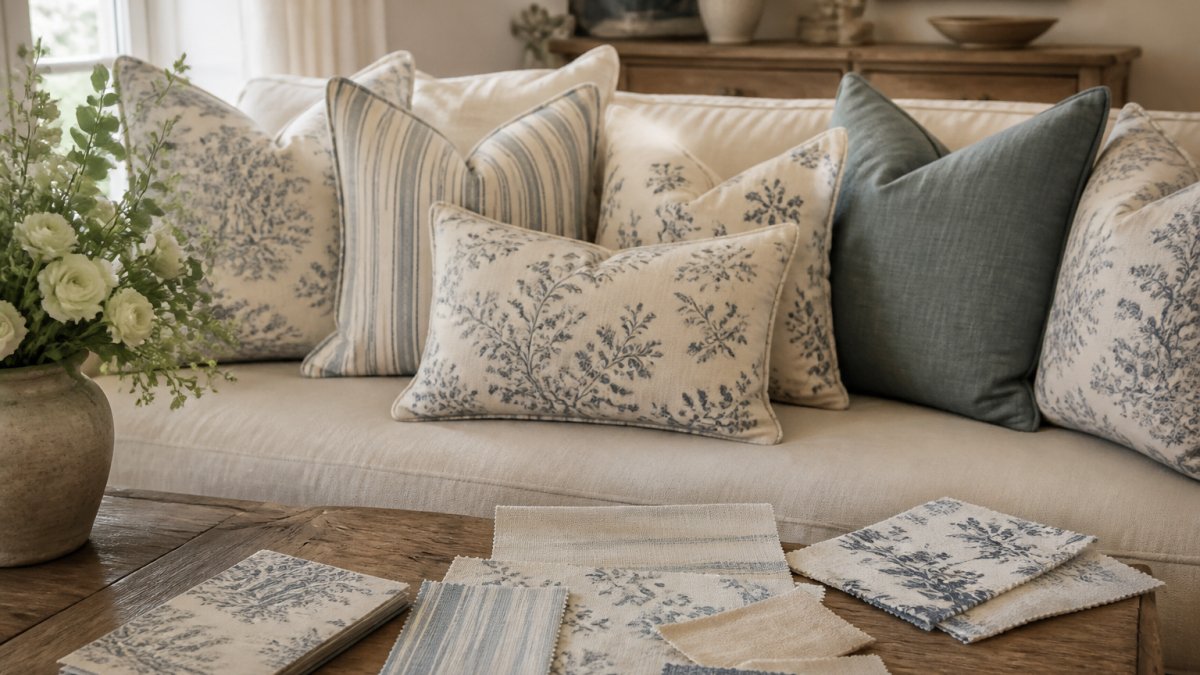
Color gets attention. Texture makes a room feel lived-in. Mix a smooth linen-look solid with a printed floral and a ticking stripe, and the sofa suddenly has depth.
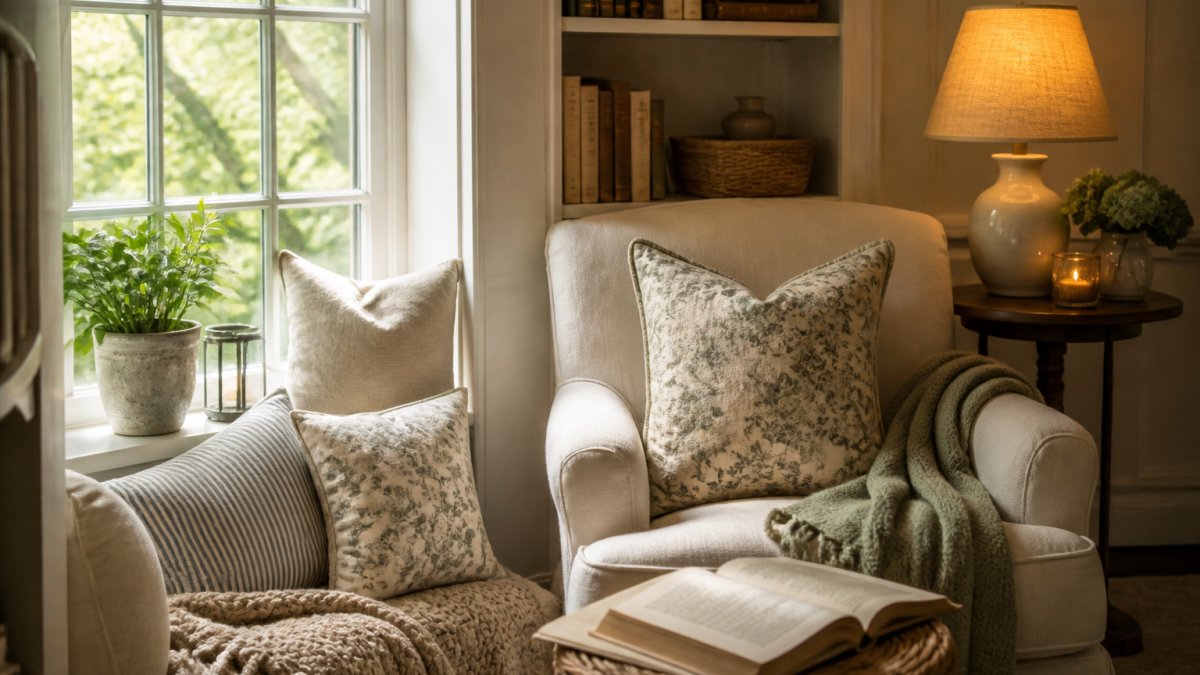
Drape a throw blanket over one arm of the sofa. Fold it loosely, not neatly. A throw adds softness and breaks up the hard lines of rental furniture.
Layer a textured pillow against a smooth one. The contrast is what reads as cozy.
Here's the full sequence in one place:
| Step | What You Do | Time | Why It Works |
|---|---|---|---|
| 1 | Strip the sofa and measure it | 10 min | Prevents wrong-size buys |
| 2 | Pick a palette from the room's light | 15 min | Keeps colors cohesive |
| 3 | Add texture and a throw blanket | 10 min | Builds warmth and depth |
How to Mix and Match Throw Pillows Without a Clashing Mess
The secret to mixing throw pillows is contrast with a common thread.
That single rule prevents the clashing mess renters fear.
Three patterns to lean on:
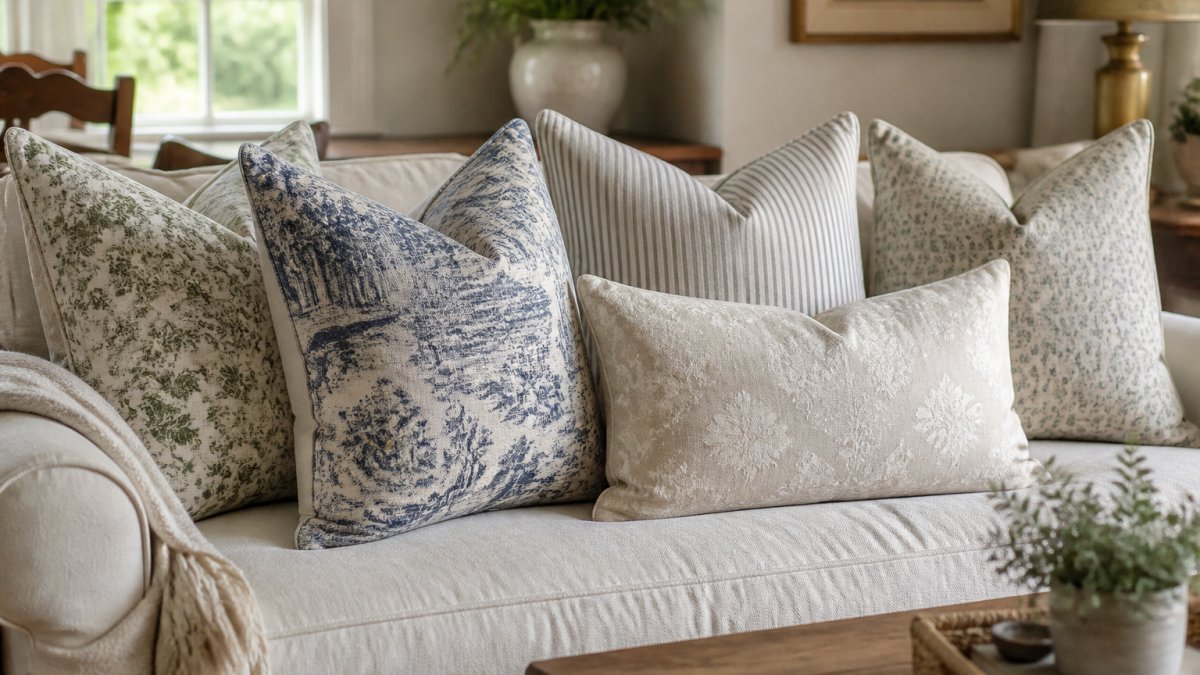
- One large-scale print as the anchor
- One small-scale stripe or ticking for rhythm
- One solid to give the eye a rest
Keep the solid in the same family as your print's background. A cream solid next to a cream-ground toile reads as intentional, not random.
If you want a deeper walkthrough on pairing patterns, our guide on mixing pillow patterns without clashing breaks down the combinations that work.
Pillow Combinations for a Sofa: Sizing and Arrangement Formulas
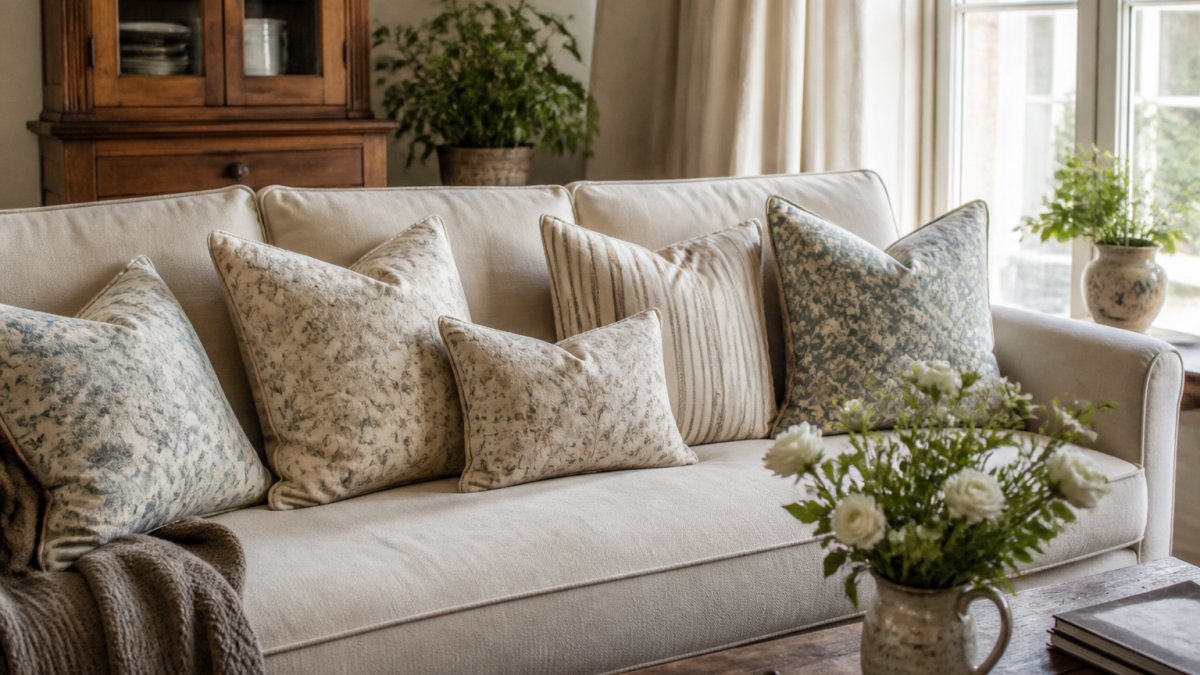
A standard sofa looks best with an odd number of pillows: three or five. Odd numbers feel natural, while even numbers can look stiff and symmetrical. But the number is only half the story. The size of your covers, the inserts inside them, and the depth of your rental sofa all decide whether the arrangement looks collected or crowded.
Start With Cover Size, Then Match the Insert
Pillow covers are sold by the size of the insert they are meant to hold, not by their flat measurement. A cover labeled 20 inches is designed for a 20-inch insert. The most common cover sizes for living room pillows are 18, 20, and 22 inches square, with 12 to 14 inch squares for small accents and 12 by 20 inch rectangles for lumbar pillows.
An insert that matches the cover size gives a soft, relaxed look, while one size up gives a fuller, more tailored shape.
Ivory Pillow Cover, Solid Cream Throw Pillow Case →
Choose the Right Fill
Down and down-alternative inserts give that soft, sink-in look and are easy to karate-chop into shape. Polyester fill is firmer, holds its shape longer, and costs less. A down-alternative insert is often a good middle ground for rental living rooms: it looks relaxed without flattening out quickly. If you have allergies, choose a down-alternative labeled hypoallergenic.
Arrangement Formulas by Sofa Type
Use these layouts as starting points, then adjust for your sofa's depth and back height.
Standard sofa (about 84 inches wide):
- Two 20-inch pillows in the back corners
- Two 18-inch pillows in front of them
- One 12 to 14 inch accent in the center
Loveseat (about 60 inches wide):
- Two 18-inch pillows, one in each corner
- One 12-inch accent in the middle
Sectional:
- Treat each end as its own arrangement so the corners do not compete
- Two 20-inch pillows at each end, with one 18-inch in front of each
- Leave the middle seat bare so the sectional does not look cluttered
Armchair:
- One 18-inch pillow against the back
- One 12-inch accent in front, or a 12 by 20 inch lumbar for lower backs
Adjust for Your Rental Sofa
Measure your seat depth before you buy. A deep sofa (24 inches or more) swallows small pillows, so lean toward 20 and 22 inch sizes. A low-back loveseat looks crowded with oversized pillows, so stay at 18 inches and below.
Front pillows should always be smaller than the ones behind them. This creates the layered, stepped look that reads as designed rather than accidental.
Renter-Friendly Updates That Skip the Nails and Paint
Landlord-approved updates are the whole game when you rent. The goal is a room that feels yours without a single permanent change.
Skip the nails. Use removable adhesive hooks for lightweight art, and lean larger frames against the wall on a console or ledge.
A few renter-friendly moves that cost little and change a lot:
- Layer a rug over tired carpet to anchor the seating area
- Add curtains on a tension rod to soften windows
- Bring in a side table or small stool for a lamp and a book
Pillow covers are the ultimate flexible decor. They store flat, swap in seconds, and travel to your next rental.
Budget Priorities, Care, and Seasonal Pillow Swaps
A pillow refresh is one of the few decorating projects that can change a whole room without touching your savings. The trick is spending in the right order and knowing which pieces to reuse season after season.
Spend in This Order
- Covers first. Covers change the look. A coordinated set of three to five covers does more for a rental living room than any other single purchase.
- Inserts second. Inserts just fill the covers. Buy them once, sized to your covers, and reuse them for years.
- Accents last. A throw blanket, a warm lamp bulb, or a small side table adds the finishing layer once the pillows are in place.
A Realistic Low-Cost Plan
Many renters refresh a sofa with a handful of covers and a few inserts. Start with the covers you love most, then add inserts that match the cover sizes. If your budget is tight, a single coordinated cover set can make the mixing easier.
Some shoppers prefer to buy covers in coordinated sets, which can save the trial-and-error of matching patterns yourself.
Care That Keeps Prints Looking New
Check the care label on each cover before cleaning, and follow its washing instructions. Rotate pillows out of direct sun every few weeks so prints fade evenly. Fluff inserts by hand once a week to keep them from flattening.
If you have kids or pets, look for covers that suit daily use and wipe clean easily. Our guide on choosing durable decorative pillow fabrics covers what holds up over time.
Seasonal Swaps With One Set of Inserts
Seasonal swaps stretch one set of inserts across the year. In spring, go lighter with floral and cream covers. In fall, bring in earthy terracotta and rust. Store off-season covers flat in a bin, folded loosely so the prints do not crease. Label the bin so you can find the set you want without unpacking everything.
Shop Ivy & Linen Covers That Fit Your Rental
You don't need a truckload of new decor. A coordinated set of covers does most of the work, and that's exactly what we built our collections around.
Our slate blue French cottage pillow cover set pairs a toile, a ticking stripe, and an ivory solid, so the mixing is already done for you. The antique taupe set layers a bird toile, a floral damask, and an oatmeal solid into a collected look. And if you loved the earthy texture above, the terracotta and rust block print set brings that warmth to a fall sofa.
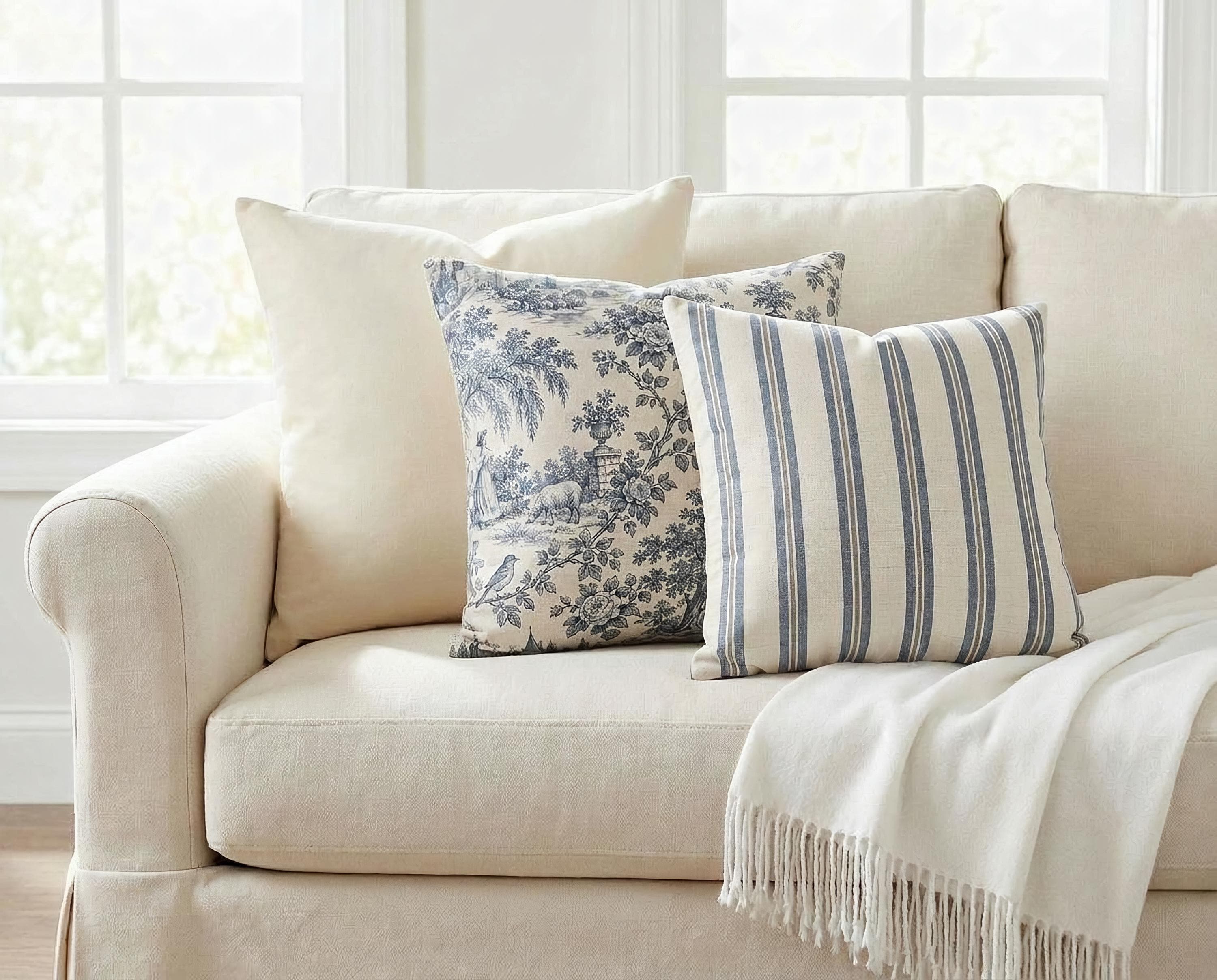
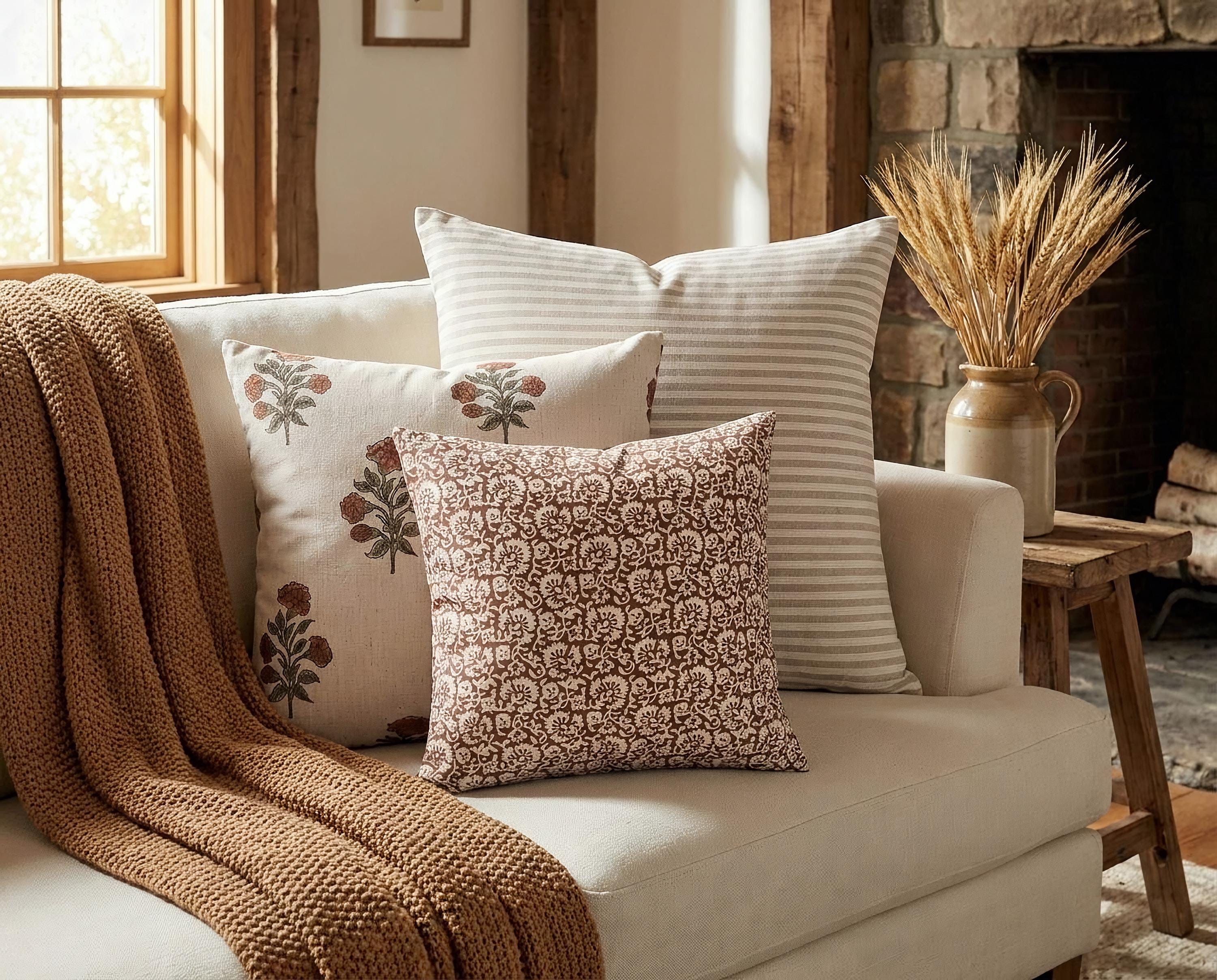
Each set uses printed designs with a soft linen-look finish.
Frequently Asked Questions
How many pillows should I put on a living room sofa?
A standard sofa usually looks balanced with five to seven pillows: two larger square pillows (around 20 inches) at each end, two medium squares (18 inches) in front, and one or two smaller accent pillows (12 to 14 inches) in the center. A loveseat needs three to five. The goal is a layered, full look without crowding the seat, so leave enough room that someone can actually sit down comfortably.
How do I mix and match throw pillows without making the room feel busy?
Stick to three pattern scales: one large-scale print like a toile, one medium like a block floral, and one small like a ticking stripe, then anchor them with a solid. Keep the color palette to two or three related tones, such as slate blue with ivory and cream. Repeating one color across every pattern ties the mix together so it reads as collected rather than chaotic.
What pillow colors work well in a rental living room?
Warm neutrals and muted tones suit most rentals because they layer over whatever wall and sofa colors you already have. Cream, oatmeal, tan, slate blue, rust, and terracotta all add depth without fighting the room. In a dim space, lean toward lighter cream and ivory pillows to lift the seating area; in a bright room, darker rust and slate pillows add contrast and coziness.
Will a few pillow covers really transform my rental, or do I need to buy a lot?
Pillow covers are one of the highest-impact, lowest-commitment changes you can make in a rental. Swapping covers on pillows you already own changes the color, pattern, and mood of the seating area in minutes, with no nails, paint, or landlord approval needed. Pair them with a throw blanket and a soft rug and the room reads noticeably warmer without a full makeover.
Your rental living room can feel collected and warm without touching a single wall. Start with one coordinated set of covers, add a throw, and let the layers do the rest. Ivy & Linen makes it simple with mix-and-match sets, double-sided print options, and a French cottage aesthetic built for real homes. Get started with Ivy & Linen and give your rental the cozy, refined look it deserves.